
When summer temperatures rise in upstate SC, most drivers think about road trips, lake days, and longer daylight hours. But extreme heat can quietly take a serious toll on your vehicle. Tires, batteries, and engines are especially vulnerable during hot weather, and without proper maintenance, small issues can quickly turn into breakdowns.
Understanding how heat affects your car can help you prevent unexpected failures and keep your vehicle running safely all summer long.
How Heat Affects Your Tires
Hot pavement and rising air temperatures directly impact your tires every time you drive.
As temperatures increase, the air inside your tires expands. This causes tire pressure to rise, sometimes significantly. Overinflated tires can reduce traction, wear unevenly, and increase the risk of a blowout. On the flip side, underinflated tires generate excess heat, which also raises the chance of tire failure on long drives.
Summer road temperatures can be extreme, especially during long highway trips. When combined with worn tread or improper inflation, heat becomes a major safety risk.
Warning signs to watch for:
- Noticeable vibration while driving
- Uneven or rapid tread wear
- Tire pressure warning light
- Bulging or visibly overinflated tires
Regular tire checks are one of the easiest ways to avoid heat-related roadside emergencies.
Why Car Batteries Struggle in Hot Weather
It’s a common misconception that cold weather is the only threat to car batteries. In reality, extreme heat is often even more damaging.
High temperatures accelerate the chemical reactions inside a battery, which speeds up internal wear. Over time, this can cause battery fluid to evaporate and internal components to degrade. The result is a battery that may still seem fine one day and fail the next.
Heat also increases strain on your vehicle’s electrical system, especially when running air conditioning, lights, and electronics simultaneously.
Common heat-related battery issues include:
- Slow engine starts
- Clicking sound when turning the key
- Dim headlights or electrical glitches
- Sudden battery failure without warning
If your battery is more than three years old, summer heat can push it to its limit faster than you might expect.
How High Temperatures Impact Your Engine
Your engine relies on a carefully balanced cooling system to stay within safe operating temperatures. In extreme heat, that system has to work much harder.
When temperatures rise, engine coolant circulates more frequently and the radiator must release heat more aggressively. If any part of the cooling system is weak or failing, such as a thermostat, water pump, or radiator hose, the engine can quickly overheat.
Traffic makes things worse. Sitting idle in stop-and-go conditions reduces airflow through the radiator, increasing the risk of overheating even further.
Signs of engine overheating include:
- Temperature gauge rising above normal
- Steam coming from under the hood
- Burning smell while driving
- Loss of engine power
Continuing to drive an overheating vehicle can cause severe engine damage, including warped components or complete engine failure.
Simple Ways to Protect Your Vehicle in Hot Weather
A few preventative steps can make a big difference during the summer months:
- Check tire pressure at least once a month
- Inspect tires for wear or damage regularly
- Have your battery tested before long trips
- Keep an eye on coolant levels
- Watch your temperature gauge while driving
- Avoid letting your vehicle idle for long periods in extreme heat
Preventive maintenance is far less expensive than emergency repairs or roadside breakdowns.
Stay Road-Ready with Tiger Paw Towing Pendleton
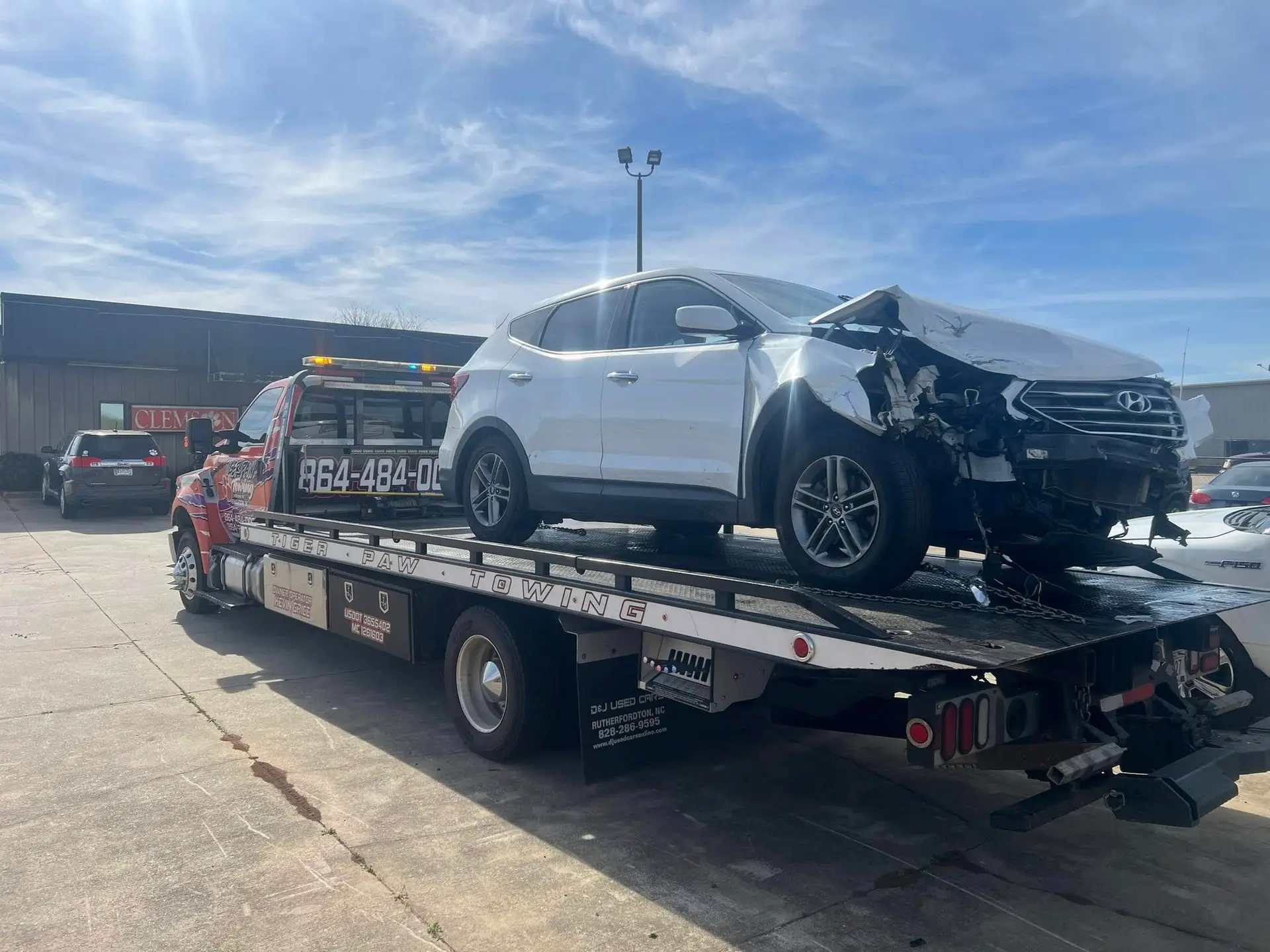
Even with proper maintenance, breakdowns can still happen, especially during extreme summer heat. Whether it’s a dead battery, overheating engine, or tire blowout, help is only a phone call away.
Tiger Paw Towing is here to provide fast, reliable towing and roadside assistance when you need it most. From jump-starts to vehicle recovery, our team is ready to get you back on the road safely.
Stay prepared, stay safe, and don’t let the heat catch you off guard this summer.