When the temperature drops, many drivers don’t realize just how hard that cold can be on their car, especially when it comes to the battery. At Tiger Paw Towing, we see the results firsthand: a dead battery on a chilly morning can leave you stranded. With winter approaching, it’s worth understanding why cold nights are so brutal to batteries, and how to avoid being caught out in the cold.
Why Cold Weather Weakens Car Batteries
1. Slowed chemical reactions inside the battery
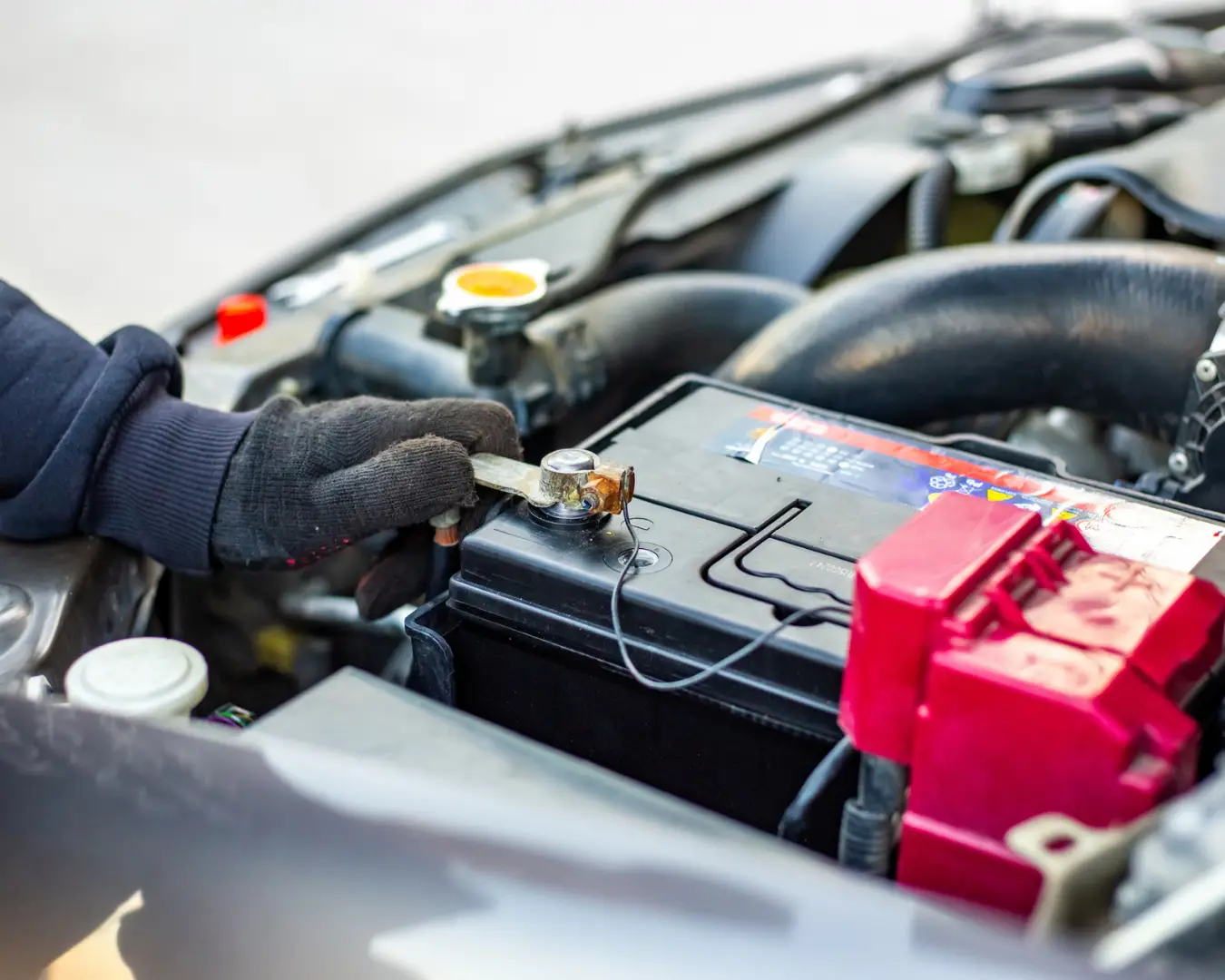
Car batteries rely on chemical reactions to generate electrical energy. As temperatures fall, those reactions slow dramatically, which reduces the battery’s ability to produce power. At freezing temperatures, a battery may lose a significant portion of its available “cranking power.”
2. Harder engine start, battery under heavy strain
Cold also affects the rest of the car. Engine oil thickens, making the engine harder to turn over, forcing the battery to work harder just to start the car.
3. Higher internal resistance and lower output
As the temperature drops, internal resistance inside the battery increases. This means less electrical current flows when you crank the engine, which can result in slow cranks, repeated clicking, or failure to start.
4. Extra power demand in cold weather
When it’s cold, drivers are more likely to use power-hungry features: heaters, defrosters, windshield wipers, and headlights, all of which draw extra electrical load from the battery. If the battery is already weakened from the cold, these demands can push it over the edge.
5. Risk of long-term damage if the battery is weak or undercharged
Batteries that are older or already losing capacity are especially vulnerable. Cold exacerbates existing weaknesses, and repeated strain in cold temperatures can shorten a battery’s usable life.
Real Risks, from a Towing Company’s Perspective
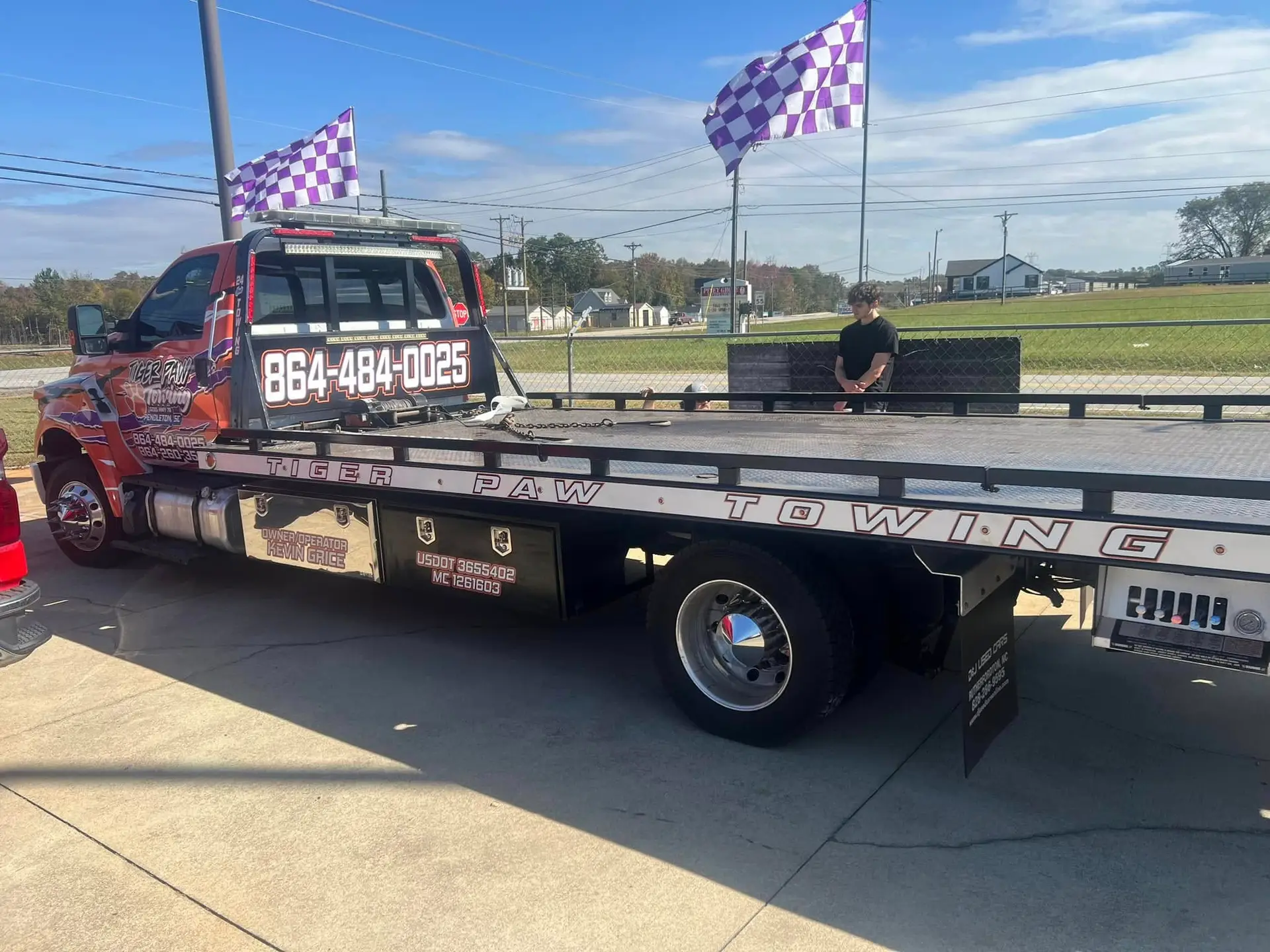
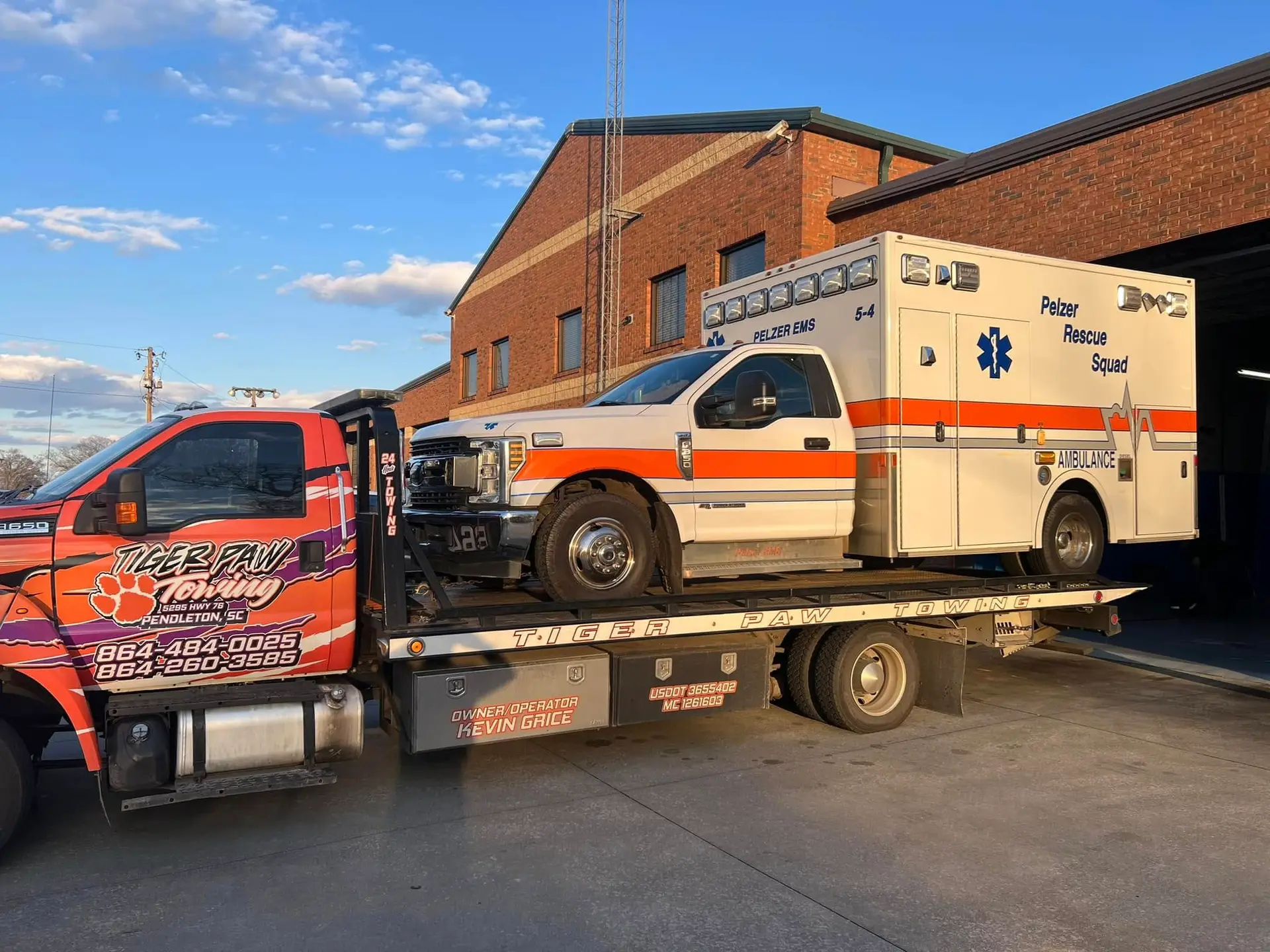
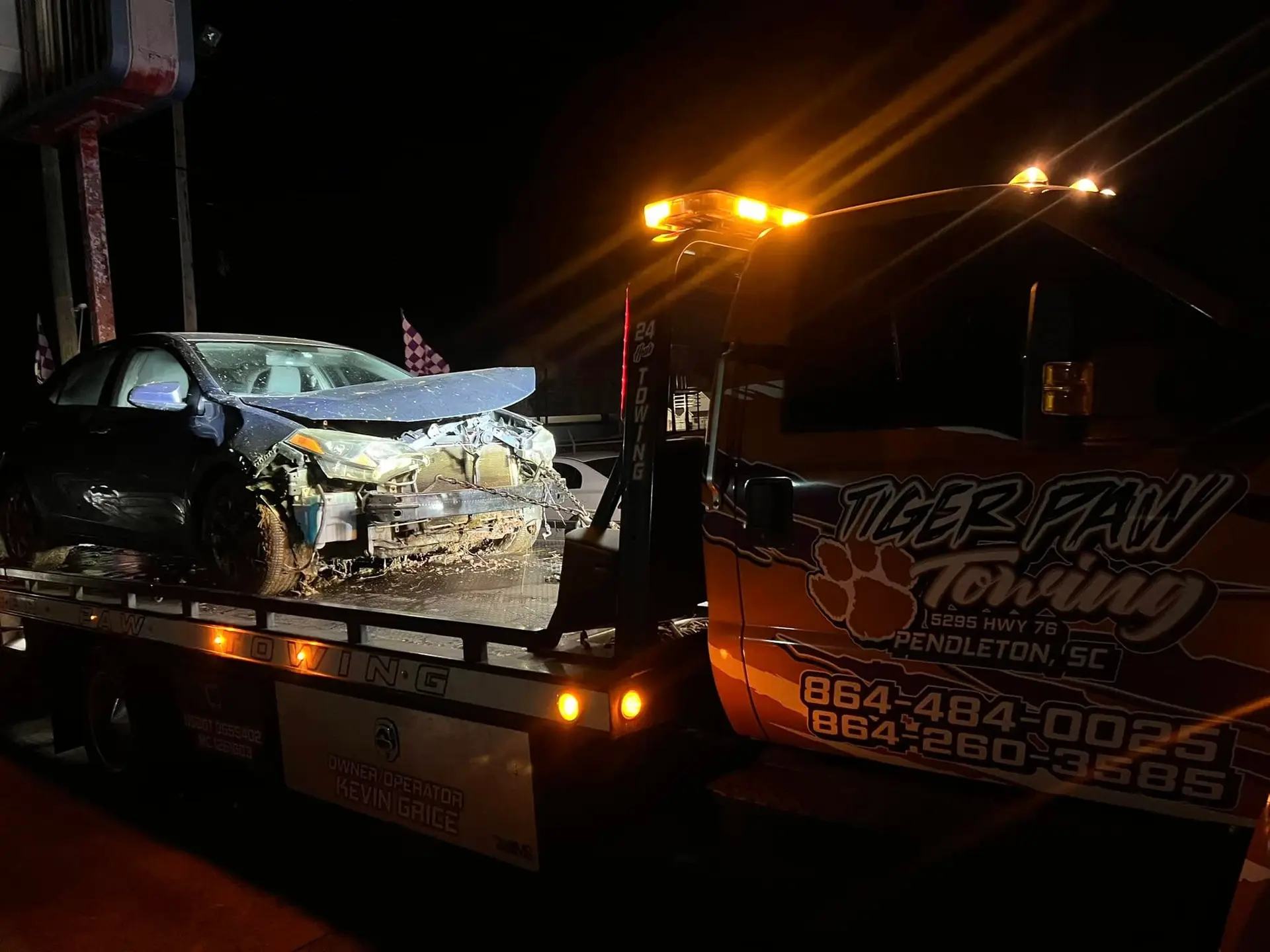
At Tiger Paw Towing, our 24/7 roadside services often mean jump-starts on chilly mornings for otherwise reliable drivers. What might seem like a random battery failure is often simply old age, cold, or extra load.
- A battery that’s “just fine” in warm months becomes unreliable when temperatures drop.
- Short trips in cold weather often aren’t enough to recharge the battery fully, so repeated cold-start attempts drain power faster.
- Drivers may not notice a gradual battery decline until a cold snap reveals the problem, sometimes when they’re already stuck far from help.
We know how frustrating and unsafe that can be.
How to Prevent Cold-Weather Car Battery Failures
Here are some practical steps you (or your customers) can take to help reduce risk when the weather turns cold:
- Test or replace old batteries before winter hits. If a battery is 3–5 years old (or older), consider having it tested or replaced. Older batteries are far more likely to fail in cold conditions.
- Park in a sheltered or covered spot if possible. A garage or covered driveway keeps a car (and its battery) slightly warmer overnight than being fully exposed.
- Drive regularly and long enough to recharge the battery. Short trips in cold weather often don’t give the alternator enough time to recharge the battery fully. A longer drive once a week can help keep the battery topped up.
- Minimize unnecessary electrical load at start-up. Delaying turning on heaters, defrosters, or extra lights until after the engine is running helps reduce strain on a struggling battery.
- If exposed to frequent cold starts, consider a more robust battery with higher “cold cranking amps” (CCA). Batteries with higher CCA ratings perform better in cold weather.
Why Tiger Paw Towing Is Here for You
Cold-weather battery failures can happen to anyone, even careful drivers. At Tiger Paw Towing, we want you to know you don’t have to get stuck waiting in the cold. Our services include jump-starts and emergency roadside assistance to get you going again, and we serve Pendleton, Clemson, Anderson, and surrounding areas in Upstate SC.
Whether you’re dealing with a flat battery, a dead battery, or just want advice on battery maintenance, we’re ready to help 24/7.
Contact Tiger Paw Towing in Pendleton, Clemson, and Anderson, SC
Cold nights might not seem like much, but for your car battery, they can be the difference between driving and being stranded. Understanding how cold weather affects battery chemistry, engine load, and electrical demand is the first step. A little proactive maintenance, testing or replacing old batteries, parking wisely, and limiting electrical load can save you a cold-morning headache.
And if you do find yourself stuck? Remember: Tiger Paw Towing is always just a phone call away, winter, spring, summer, or fall.